Skip to content
Paint & Dye Industry

Superior Thermal Precision for Flawless Pigment and Paint Production

Industrial LPG Solutions Tailored for Paint & Dye Industry.

It’s the smartest way to power a modern, environmentally-conscious paint plant without compromising on a single drop of quality.

LPG for Paint & Dye Manufacturing

Is LPG safe for high-temperature paint manufacturing processes?

LPG is an exceptional and safe choice for the high temperature demands of paint and dye manufacturing.

  • It delivers instant, intense heat allows for the precise temperature control necessary during the resin cooking and pigment mixing stages.
  • LPG burns cleaner with negligible sulphur content, it eliminates the risk of contaminating delicate colour batches, ensuring consistent product quality.
  • LPG systems offer superior thermal efficiency, meaning they reach target temperatures faster than many traditional fuels.
  • Because it offers a consistent and controllable flame, it prevents the accidental overheating of volatile chemicals.

When stored and handled according to standard industrial regulations, LPG provides a secure, high-performance energy source. 

How to choose fuel source for paint manufacturing?

Since processes like resin cooking and pigment drying require precise temperature control, the fuel source must be reliable and efficient. Key factors to consider:

  • Temperature Precision
  • Purity and Cleanliness
  • Operational Safety
  • Overall cost of ownership
  • Environmental Impact 

By balancing these priorities, you can select a fuel that protects both your bottom line and your product quality.

Lower-priced fuels might seem tempting, but it is important to choose one that balances cost with the latest environmental rules. To help you decide, here is a simple look at how LPG compares to other industrial fuels.

Find your Application

LPG-powered spray dryers or oven dryers are used to remove moisture. Because LPG is a clean-burning fuel, it prevents contamination of the pigments, ensuring the colours remain vibrant and true to the batch.
LPG provides the high-intensity, uniform heat needed to maintain specific temperatures for polymerization, ensuring the resin has the correct viscosity and clarity.

The process of heating pigments to high temperatures to achieve specific colors and properties requires a fuel that won't introduce impurities.

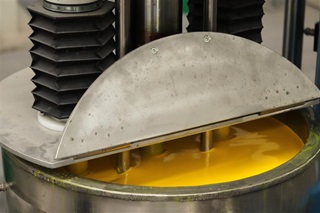
Manufacturing dyes often involves heating large volumes of water or chemical solvents in tanks.

Why SUPERGAS is the Right Choice for Your Industry?

At SUPERGAS, we do more than just deliver fuel, we power progress. We provide premium SR-Grade LPG along with a complete support system, including expert installation, energy-saving solutions, safety audits, and staff training.

We also offer flexible contracts tailored to your specific goals, while our SUPERGAS Care App makes managing your orders and maintenance effortless.

When you choose us, you get a partner dedicated to making your energy management safe, simple, and smart.

Case Study

Case Study

Efficiency in Action: Cheviot Company Pvt. Ltd.

By switching from Fuel Oil to LPG for steam generation and heat treatment, Cheviot Company boosted fuel efficiency by 30%. This shift saved them ₹24 lakhs annually while ensuring a cleaner production process.

Read the full case study

The seamless transition from HSD to LPG, backed by SUPERGAS's expert technical support, has reduced our fuel costs by 30–35% and lowered our carbon footprint.

Asian Paints India Limited

Tamil Nadu

Frequently Asked

Our contracts offer flexible, high-volume LPG delivery with customized storage systems. We prioritize reliable supply chains to ensure your manufacturing process never faces costly production downtime.

Call – 9121177930 | Email- industrialsupport@supergas.com for FREE assessment.

Installations must follow strict safety distances and ventilation codes. Our experts handle the entire setup, ensuring your storage and piping meet all national industrial standards.

The process of heating pigments to high temperatures to achieve specific colors and properties requires a fuel that won't introduce impurities.

Manufacturing dyes often involves heating large volumes of water or chemical solvents in tanks.